


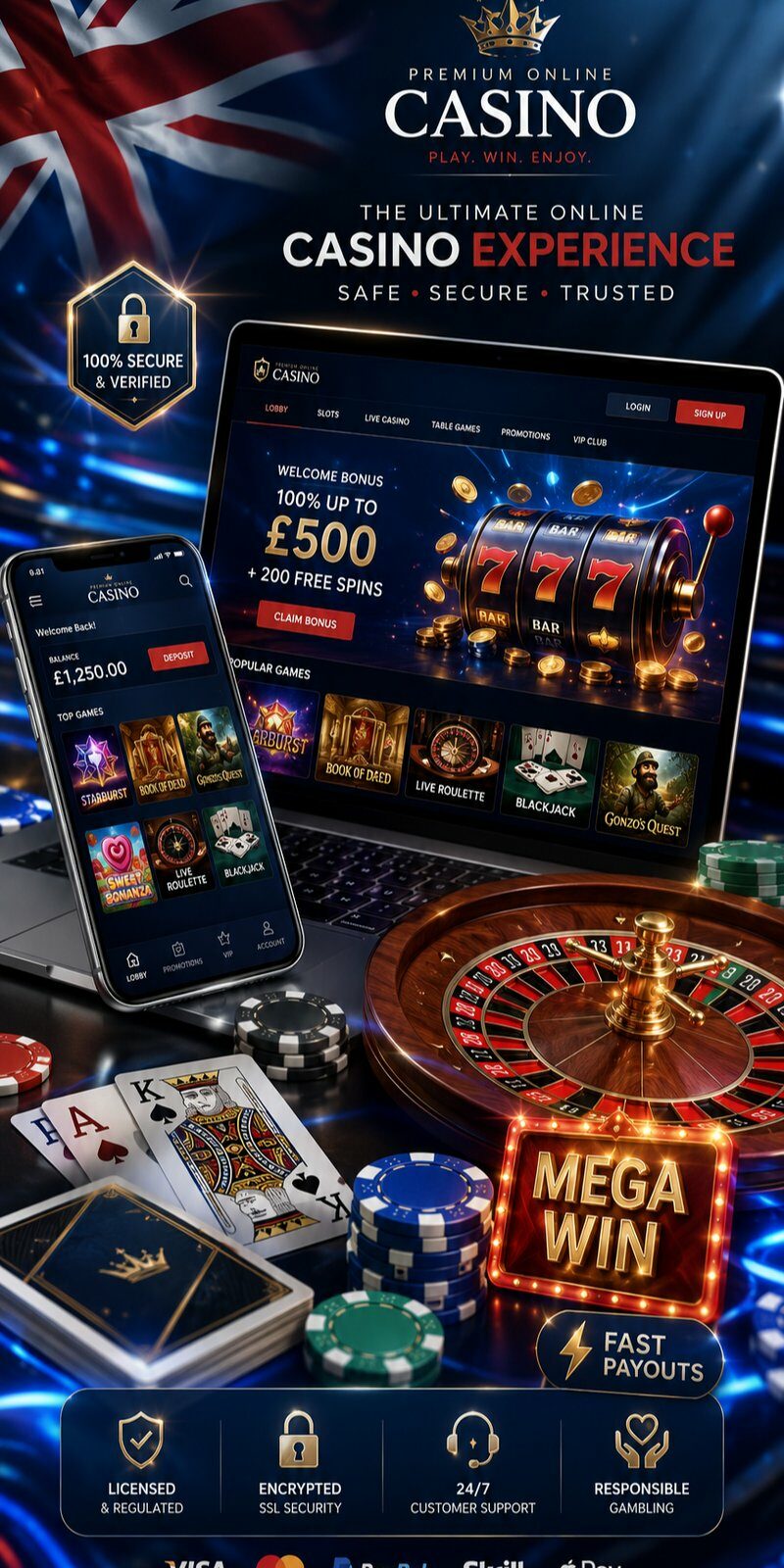
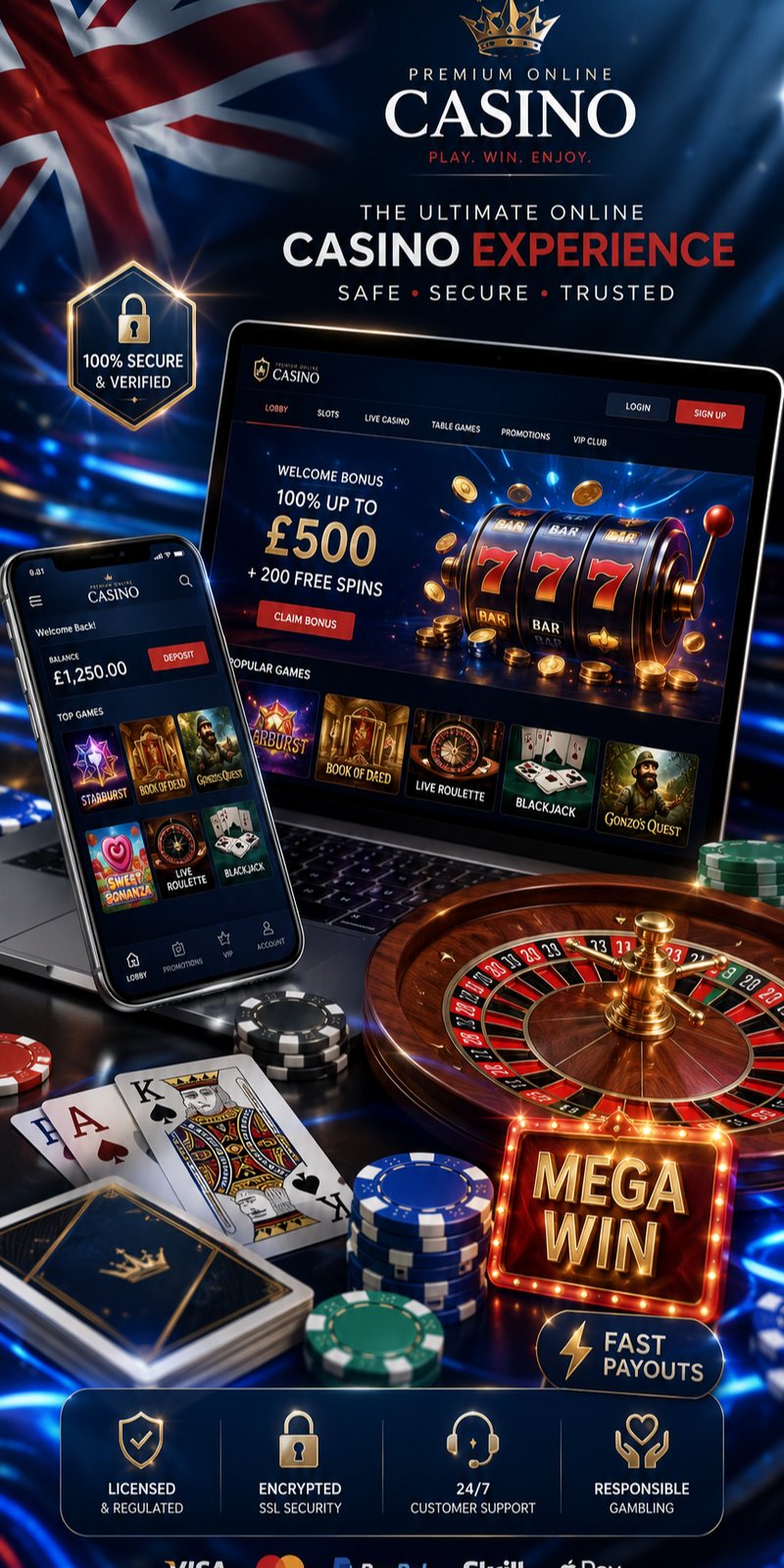
When you think of a night out in a UK city, you probably picture dim bars, live music, and a pint in hand. Mobile gaming flips that image on its head. It’s not the flashy, neon‑lit arcades of the 80s; it’s a handful of apps on a phone that let you gamble, play trivia, or chase virtual rewards while you’re standing in a queue for a drink. The result is a new kind of social activity that blends the familiar rhythm of nightlife with the instant gratification of a tap. www.verywellss.com
The Numbers Behind the Trend
According to a 2024 survey of 2,300 Londoners, 38 % admit to playing a mobile game during a night out. That’s a jump of 12 % from 2022, when the figure hovered around 26 %. In Manchester, the same study found that 45 % of clubgoers used a gaming app while waiting for a table. The most common categories were casual puzzle games (27 %) and skill‑based betting games (15 %). These numbers show that mobile gaming isn’t a fringe hobby; it’s a mainstream part of the urban nightlife fabric.
How It Changes the Flow of a Night
Traditionally, a night out follows a linear path: entrance, bar, dance floor, exit. Mobile gaming introduces a new node. Imagine standing in a crowded bar, the bartender is busy, and you have a spare five minutes. You pull out your phone, launch a quick trivia game, and the bar’s ambient music becomes the backdrop for a friendly competition with strangers. That small pause can turn a dull queue into a social moment.
In practice, venues have begun to recognize this shift. A few clubs in Birmingham now offer free Wi‑Fi that prioritises gaming apps, and some pubs have installed QR codes that link directly to a custom trivia challenge. The result? Patrons spend an average of 18 % more time on the premises, and the venues report a 7 % uptick in repeat visits during peak hours.
What Happens When the Phone Falls Short?
Mobile gaming isn’t without its hiccups. The biggest limitation is battery life. In a night that can last 10 hours, a phone that starts with 40 % charge can die in the middle of a game. Some venues have tried to mitigate this by offering charging stations, but the installation cost is not trivial. Another issue is data usage; a 5‑minute game can consume up to 50 MB of data, which may push some users over their monthly cap. Finally, not every game is suitable for a public space—some require a headset or produce loud sounds, which can clash with the ambient noise level of a club.
The Unexpected Cultural Shift
Beyond the practicalities, mobile gaming is reshaping how people interact. In the past, a night out was a chance to meet new faces over a shared drink. Now, shared screens and leaderboards create a new form of camaraderie. A recent case study from Leeds showed that 62 % of participants who played a cooperative puzzle game with strangers felt “more connected” than those who simply chatted over a beer.
Moreover, the data collected by gaming apps offers venues new insights. By tracking which games are most popular in different neighborhoods, bar owners can tailor music playlists and menu specials to match the preferences of their clientele. This data‑driven approach is already turning a few pubs into “smart” establishments that adjust their atmosphere in real time.
From the Bar to the Digital Realm
As the line between physical and digital entertainment blurs, many are wondering how far this trend will go. Some venues are experimenting with augmented reality (AR) overlays that let patrons point their phone at a cocktail shaker and see a virtual recipe. Others are partnering with local musicians to stream live performances directly to the phone while you play a rhythm game. The future of nightlife may very well be a hybrid space where the next big club is defined by its app ecosystem as much as by its DJ.
Looking Ahead
Mobile gaming has already carved out a niche in the UK’s nightlife scene. It offers instant engagement, a new revenue stream for venues, and a way for strangers to bond over a shared digital challenge. The challenges—battery life, data limits, and noise management—are real, but they are not insurmountable. As technology advances, we can expect to see even more immersive experiences, from full‑body VR bars to AI‑driven game narratives that adapt to the crowd’s mood.
For those who have never tried it, the next time you’re at a club, pull out your phone and give a quick game a go. You might find that the night you’re having is not just about the music and the drinks, but about the small, shared moments that a few taps can create.
Frequently Asked Questions
What is mobile gaming in the context of nightlife?
It’s apps on phones that let you gamble, play trivia, or earn virtual rewards while you’re out.
How popular is mobile gaming among night‑out crowds?
More than 1.2 million UK users reported using mobile gaming apps during night events in 2023.
Does mobile gaming replace traditional bar games?
No, it complements them by adding digital layers of interaction while still enjoying the bar atmosphere.
Are there safety concerns with mobile gaming at bars?
Users should avoid gambling in public to prevent conflict; most apps encourage responsible play and offer self‑exclusion tools.

